High-Value Tourist Destinations For Dual-Purpose Journeys
Author:Arooba
|
Released:October 5, 2025
Looking to stretch travel budgets further? The smartest travelers pick destinations where business meetings and weekend adventures overlap.
Instead of flying somewhere just for conferences, why not explore cities that let professionals shake hands by day and taste local street food by night? Strategic venue selections can turn boring corporate trips into experiences worth remembering.
The Money Angle Behind Dual-Purpose Travel
Business travelers drop $1.4 trillion yearly on corporate trips, according to the U.S. Travel Association. Most economic evaluations miss one crucial fact: extending a business trip by three days adds only 20% to costs but doubles the value received. Cities like Barcelona, Singapore, and Dubai built entire infrastructures around this concept.
Here's what changes when picking the right tourist destination. Conference fees stay the same whether staying two days or five. Flights cost identical amounts. The hotel room booked anyway becomes a base camp for exploring ancient temples, trying new restaurants, or hiking coastal trails. Suddenly, those sunk costs serve double duty.
Singapore Delivers Bang For Buck
Singapore tops the list as Asia's sharpest tourist destination for professionals. Marina Bay Sands packs conference rooms, rooftop bars, and infinity pools into one complex. Morning sessions at Suntec Singapore Convention Centre? Done by lunch. Afternoon meetings at Clarke Quay? Still leaves evenings free for Gardens by the Bay or Chinatown hawker centers.
Economic evaluations favor Singapore for concrete reasons. Over 200 dedicated networking venues spread across five compact districts mean less time commuting, more time connecting. The city-state offers transparent business regulations, countless co-working spaces, and Michelin-starred meals steps from convention centers. Little India and Arab Street provide cultural depth without requiring separate trips.
Barcelona Blends Gothic Charm With Trade Shows
Few places match Barcelona's range as a tourist destination. Fira Barcelona Gran Via hosts 100+ annual trade shows, yet Gaudí's Sagrada Familia sits twenty minutes away. This Spanish hub proves economic evaluations should measure inspiration alongside expense reports. Fresh ideas spark more easily when brains get breaks from boardrooms.
Barcelona's venue selections adapt to different professional needs. Renovated Gothic Quarter buildings house intimate boardrooms. Waterfront spaces accommodate massive conferences. Las Ramblas and beachfront promenades turn into networking venues after hours—business discussions flow naturally over tapas and cava. The tourist destination works because it never forces the fit.
Dubai Raises The Bar On Venue Selections
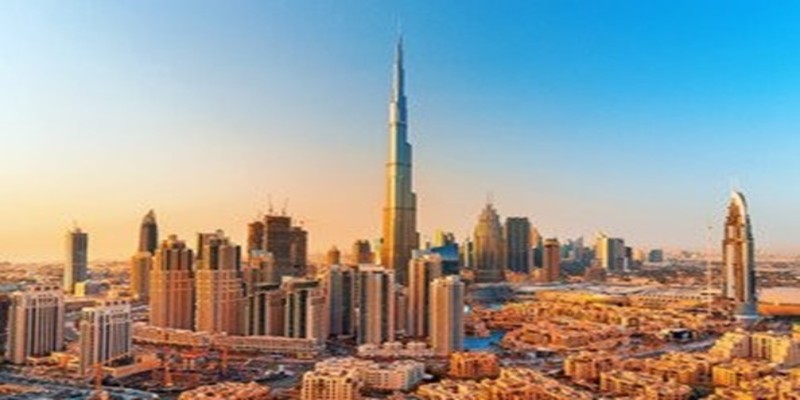
Dubai invested $8.5 billion in tourism infrastructure recently, creating a tourist destination that runs like clockwork. Dubai World Trade Centre spans 1 million square feet. The Burb Khalifa stands minutes away. This emirate specializes in making complex logistics look simple.
What separates Dubai in economic evaluations? Commitment to experiential quality. Networking venues range from desert camps where contracts get signed under stars to yacht clubs hosting floating meetings. Conference badges often unlock attractions automatically, transforming downtime into adventures rather than empty hours waiting for the next session.
Running Smart Economic Evaluations
Good venue selections start with honest numbers. Calculate ticket prices and hotels, sure, but also count opportunity costs and productivity gains. A tourist destination costing 30% more but eliminating three follow-up trips wins every time.
Track These Numbers:
Conference space rental and registration fees
Hotels serving both work requirements and comfort needs
Transport between networking venues and tourist spots
Meals at business-appropriate restaurants. Factor These Benefits:
Cultural experiences reduce stress and boost creativity
Spontaneous networking opportunities outside scheduled events
Brand impressions when hosting clients in premium locations
Work-life balance during extended stays
Harvard Business Review reports that employees mixing leisure into business trips show 23% higher job satisfaction and better productivity after returning. Those metrics belong in serious economic evaluations.
Location Choices Send Messages
Networking venues chosen say plenty before conversations start. Meeting potential partners at generic hotel lobbies suggests different priorities than historic venues with character. Every tourist destination offers layered venue selections, matching the right tier to objectives, which separates amateurs from pros.
London's Shoreditch demonstrates this perfectly. Converted warehouses now house innovative co-working spaces attracting forward-thinking professionals. Just showing up there positions people within that ecosystem. Traditional hotel conference rooms signal safety. Shoreditch signals innovation.
Tokyo teaches another lesson in venue selections. Ultra-modern Shibuya convention centers suit tech discussions. Centuries-old Asakusa tea houses build trust with long-term partners. The tourist destination provides options; professionals just need to match venue to message.
Blending Leisure Without Losing Focus
Effective leisure integrations enhance professional goals rather than distract from them. Morning yoga before conferences, afternoon museum tours stimulating creative thinking, evening cooking classes doubling as team-building, these aren't breaks but strategic enhancements.
Queenstown, New Zealand, nails leisure integrations. Adventure capital by day, sophisticated networking venues by night. Corporate retreats at Millbrook Resort coexist with bungy jumping and wine tours. Participants return to evening sessions energized because activities align with the destination's authentic character.
Kyoto offers different wisdom. Quiet temple visits provide more networking value than loud bars. Walking through bamboo groves with colleagues generates more honest conversations than boardroom tables. Understanding these cultural nuances transforms standard trips into relationship-building opportunities.
Getting More From Every Tourist Destination
Every tourist destination hides layers beneath the surface. Where do locals network? Which venues host impromptu industry meetups? What cultural events attract target demographics? Stockholm's countless fika spots host more real Swedish business than formal conferences. Austin's music venues see tech deals discussed informally because that matches the city's rhythm.
Better economic evaluations count these intangibles. Track conference tickets and hotel rates, absolutely. But also note which tourist destination generates 15 quality LinkedIn connections versus three forgettable business cards. Quality networking venues create natural collision points where meaningful interactions happen without forced events.

Planning That Actually Works
Dual-purpose travel demands thinking ahead, booking networking venues offering flexibility, spaces transforming from presentations to receptions. Pick tourist destinations with direct flights because connection stress kills leisure benefits. Research visa requirements early since last-minute complications derail entire trips.
Smart economic evaluations include contingency plans. Meeting ends early? Pre- researched alternatives turn dead time into productive exploration. Need to extend stays? Knowing which venue selections offer day-rate options versus requiring full rebooking saves money and headaches.
Seasonal factors matter too. Ideal tourist destinations might offer 40% hotel savings in shoulder seasons while maintaining professional infrastructure. Prague in November has fewer tourists but identical networking venues operating fully. These timing calls significantly impact economic evaluations.
Taking Action On Dual-Purpose Travel
The next mandatory business trip offers an opportunity to search for tourist destinations beyond conference agendas. Explore venue selections aligning with professional brands. Build in leisure integrations that recharge instead of draining energy.
Smart travelers refuse to separate work from life, creating integrated experiences honoring both. The next trip doesn't have to be just another obligation; it becomes an investment in professional growth, cultural education, and personal fulfillment.
Ready to plan smarter trips? Start by identifying destinations where business infrastructure meets cultural richness. The best journeys serve multiple purposes simultaneously.